
Abdel Rahman Abdel Fattah, Group Leader – aabdelfattah [at] cemm.at
Abdel Rahman Abdel Fattah is a Principal Investigator at the CeMM Research Center for Molecular Medicine of the Austrian Academy of Sciences. Abdel Rahman Abdel Fattah studied Mechanical Engineering at McMaster University (Canada). He gained industry experience in the renewable energy industry in Ontario before returning to McMaster University to complete his PhD in the laboratory of Professor Ishwar K. Puri. There, he combined magnetic and fluid dynamics theories to manipulate synthetic and biological materials, fabricate mechanically anisotropic polymers, print carbon-nanotube biosensors, and bioprint 3D cellular constructs for tissue engineering applications. For his postdoctoral studies, Abdel joined the Lab of Morphogenesis and Bioengineering at KU Leuven (Belgium) under the mentorship of Professor Adrian Ranga. There he focused on the mechanoregulation of neural tube development. He developed high throughput actuatable hydrogel-embedded human neural tube organoid models using engineered stretching devices (producing global stresses) or embedded magnetic microactuators (producing local internal stresses) showing 1) that tissue organization (patterning and morphology) is enhanced by timed and active mechanical forces and 2) that force location acts as a frame of reference for symmetry breaking and multicellular patterning in organoids. Combining engineering and transcriptomic analysis revealed key mechano-responding molecular signatures involved in pattern enhancement. At the same time, integration of an in silico patterning model revealed the importance of positional information in symmetry breaking and multicellular organization in neural tube organoids. He went on to investigate the relationship between epithelial morphogenesis, symmetry-breaking events and extracellular matrix (ECM) dynamics, revealing the importance of ECM flow as a feedback mechanism that reinforces and guides cell patterning and morphogenesis, and shapes the transcriptomic landscape in pre-streak-like epithelial model system in vitro. Abdel joined CeMM in September 2022 as a Postdoc in the Lab of Giulio Superti-Furga where he focused on the metabolic dimension of fate mechanoregulation. Now, as a Principal Investigator at CeMM (since August 2024) his lab focuses on understanding how cells navigate a mechanical roadmap in order to initiate, achieve, and maintain tissue organization in health and disease. His lab will lead this research direction by building new bioengineering tools, profiling transcriptomic landscapes, and bridging the multicellular and molecular dimensions of the mechanoregulation of tissue organization.
When not thinking about tissue organization and mechanical forces, he is often pondering why the universe is organized the way it is. Often uses coffee crema layer dynamics to try and explain all physical phenomena, when that doesn’t work, he’ll make a new coffee and try again.
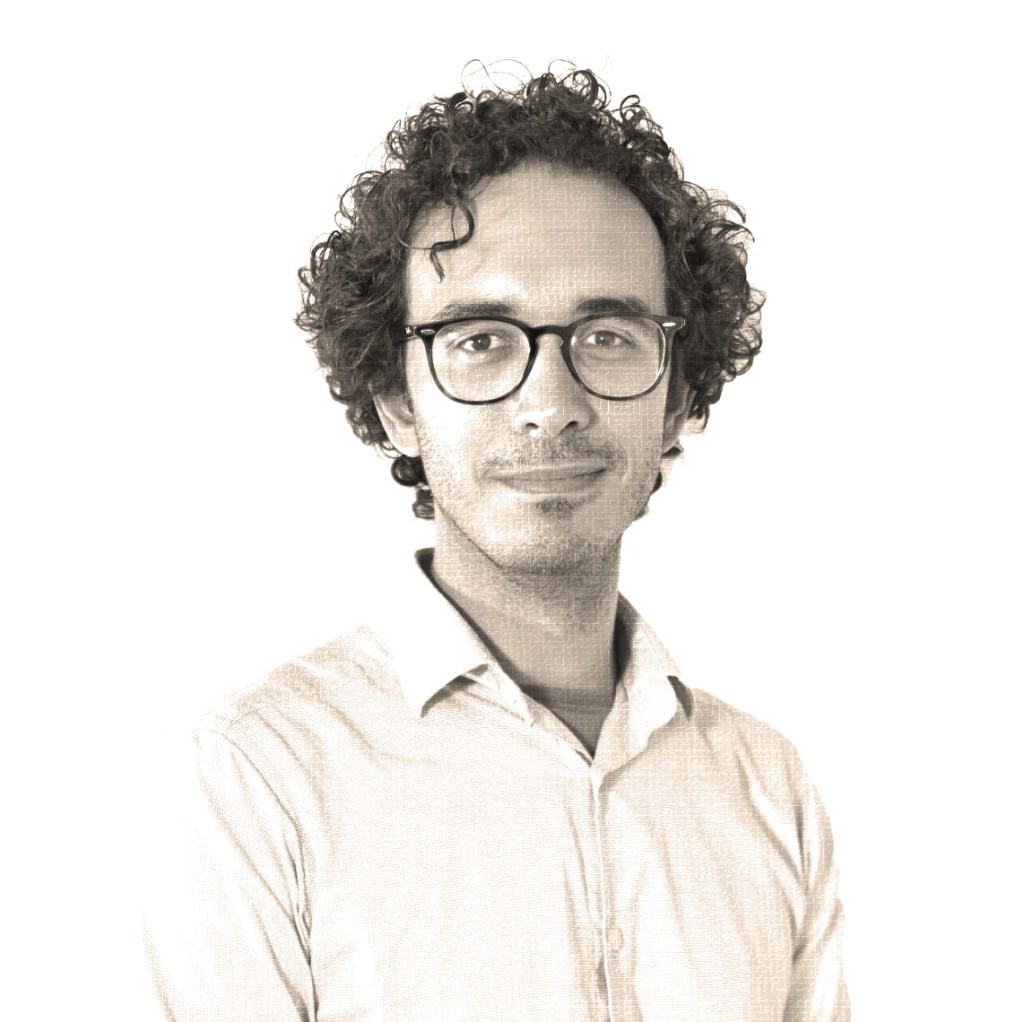
Dunja Al-Nuaimi, Postdoctoral Fellow – dalnuaimi [at] cemm.at
Dunja is a Postdoctoral Researcher in the Multiscale Mechanobiology and Bioengineering Lab at the CeMM Research Center for Molecular Medicine of the Austrian Academy of Sciences. She studied Molecular Health Sciences (Biology) at ETH Zürich, where her research focused on modeling and analyzing the 3D microenvironment of cells, sparking her enduring fascination with how physical forces influence biological systems at molecular and tissue levels. For her MSc thesis, Dunja joined Professor Jennifer A. Lewis’s bioengineering group at Harvard University, where she gained hands-on expertise in developing innovative tools and studying the role of biophysical cues in organoid systems. Inspired by this experience, she returned to ETH Zürich to work within a mechanical engineering research group under the guidance of Prof. Edoardo Mazza and Dr. Costanza Giampietro. Here, she deepened her understanding of mechanobiological processes and specialized in endothelial cell research. During her doctoral studies, Dunja bridged biology and engineering by collaborating with biologists, cardiac surgeons at the German Heart Centre, and mechanical engineers. Her work involved engineering bioreactors to precisely control cellular microenvironments and investigate mechanobiological responses. In her current postdoctoral role at CeMM, Dunja continues to pursue her passion for mechanobiology, focusing on understanding extracellular matrix (ECM) remodeling and cellular adaptation following mechanical trauma. She will design and utilize advanced bioengineering tools to explore how cells thrive under mechanical forces, aiming to uncover fundamental principles that govern tissue organization and repair mechanisms.
It’s rumored that Dunja can often be found salsa dancing beside her cell culture when no one is watching, a practice she swears helps minimize residual stress from everyday research confounders. Outside the lab, she channels her energy into being an enthusiastic cat-toy wiggler—a talent her two cats greatly appreciate (and demand daily).
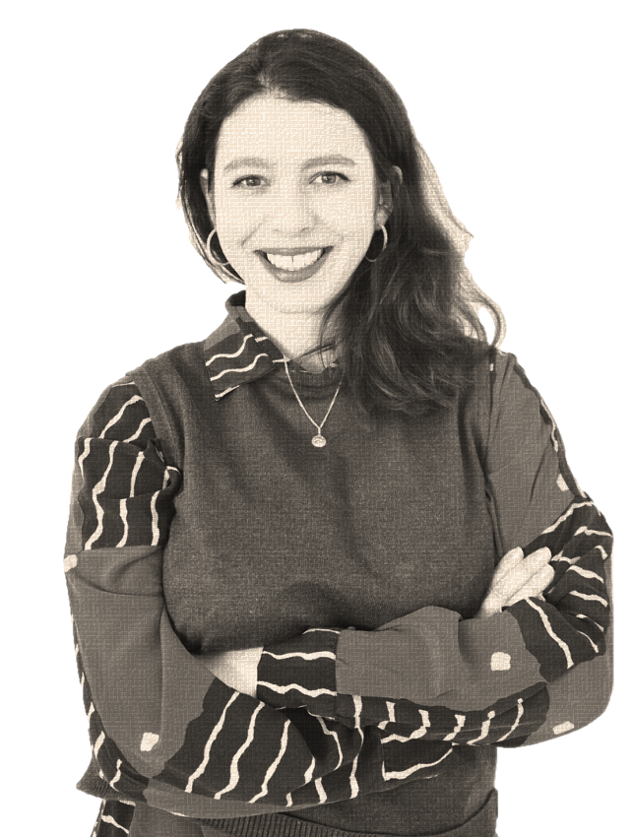
Sowmya Sunkara, Postdoctoral Fellow – ssunkara [at] cemm.at
Sowmya is a Postdoctoral Researcher in the Multiscale Mechanobiology and Bioengineering Lab at the CeMM Research Center for Molecular Medicine of the Austrian Academy of Sciences. She studied Molecular Medicine at the Medical University of Graz (Austria) where she worked to unravel the role of iron in contributing to neurodegeneration in Alzheimer’s disease, under the supervision of Prof. Gerd Leitinger. Sowmya completed my Master’s in Biochemistry at the University of Hyderabad (India) where she explored the effects of amino acid starvation on the eIF2 translation factor using various biochemical techniques. During her PhD, Sowmya developed a 3D artificial Alzheimer’s disease model from pig and human brain tissue, something she fondly called the “Disease in a Dish” model. Her main tools were electron microscopy and cell culture.
In 2025, Sowmya joined Abdel Fattah’s group (MMBL) at CeMM, Vienna, to explore mechanical trauma responses in 2D neuronal cultures and 3D cerebral organoids, with a particular focus on the role of the extracellular matrix in trauma and recovery. She will use multi-omics approaches (metabolomics, proteomics, and transcriptomics) and leverages in-house 3D printing and magnetic printing technologies to design custom trauma-inducing tools and platforms. She aims to uncover novel biomarkers and therapeutic targets for traumatic brain injury. Her broader research interests include tissue patterning, mechanobiology, and ECM-targeted drug delivery systems.
Science excites Sowmya because it constantly challenges my thinking and offers the satisfaction of translating big ideas into experiments that actually work (on most days, anyway!). She often holds solo concerts and dance when no one’s around in the lab or tissue culture room. Outside of work, She’s either getting scared by horror movies or strategizing my next move in chess, both excellent ways to keep her brain sharp and on its toes.
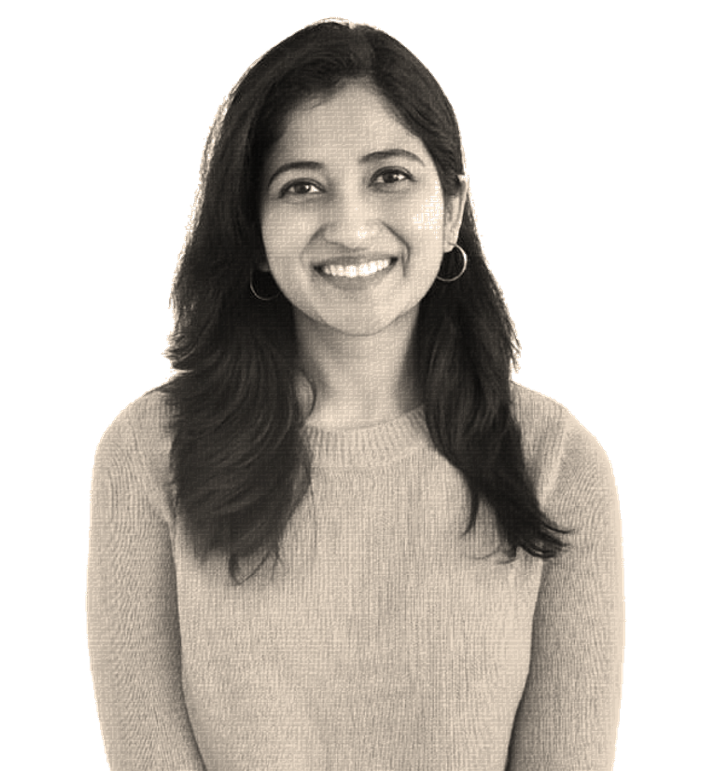
Negar Asadi, PhD Student – nasadi [at] cemm.at
Negar holds a BSc in Molecular Biotechnology from FH Campus Wien, where she completed her BSc thesis at the German Cancer Research Center (DKFZ) in Heidelberg, contributing to a peptide-based immunotherapy against HPV. She went on to earn her MSc in Biotechnology at MCI in Innsbruck, including an exchange semester at Umeå University in Sweden. During her MSc internship at Roche Diagnostics in Greater Munich, she focused on engineering and characterizing bispecific antibodies against inflammatory disease.
She has gained research experience across academia, biotech start-ups, and the pharmaceutical industry. In a start-up environment, she contributed to the development of a cartilage-on-a-chip model aimed at enabling more personalized treatment strategies for osteoarthritis patients. Further industry experience includes internships at Boehringer Ingelheim and Pfizer.
Negar joined the MMBL (Abdel Fattah Group) as a PhD student in September 2025. Her project focuses on traumatic cerebral vascular injury and its link to irreversible neuronal damage. Using a bioengineered in vitro neurovasculature model, advanced microscopy and molecular profiling (transcriptomics and metabolomics), she investigates repair and interaction dynamics between the extracellular matrix (ECM), endothelial, and neuronal cells. Her goal is to identify key drivers of post-traumatic neurovascular dysfunction, with particular attention to ECM-associated genes and signaling pathways.
Although Negar enjoys trying foods from all over the world, her cooking skills are best left untested. Luckily, chocolate requires no preparation – and it remains her most reliable source of energy in and outside the lab. To balance those extra calories, she is pacing around the lab, trains fitness boxing/volleyball and enjoys watching horror movies as much as a good workout.
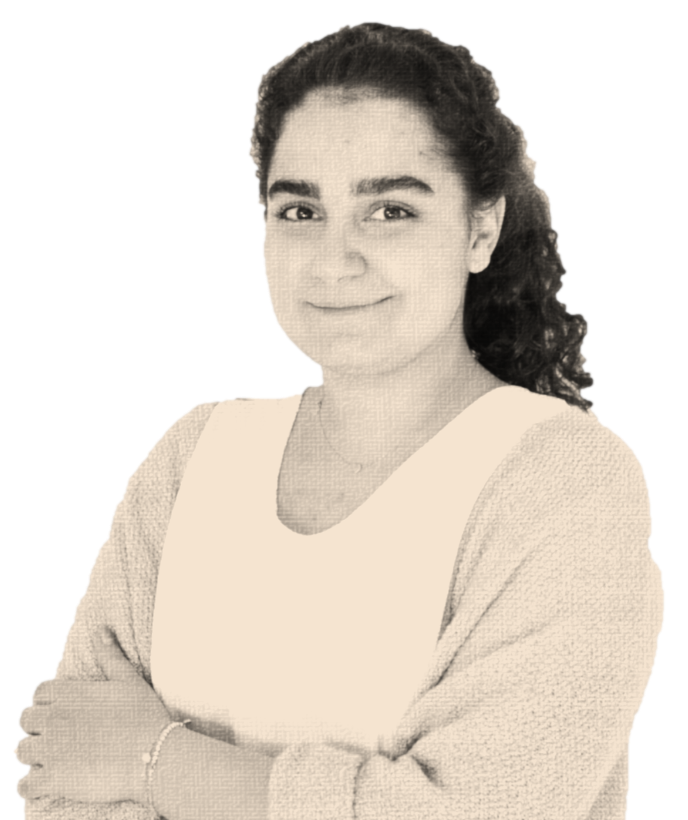
Sabrina Lindinger, Senior Research Technician/Representative at CeMM – slindinger [at] cemm.at
Studied biomedical sciences at the University of Applied Sciences in Vienna. Several internships, for example a 6-month internship at the Giulio Superti-Furga Lab working on investigating SLCs under the supervision of Enrico Girardi and doing Pharmacoscopy under the supervision of Nikolaus Krall. Followed by an Internship at the Randall Division of Cell and Molecular Biophysics at King´s College London to investigate nuclear/cytoplasmic shuttling of mechanosensitive transcriptional co-activators in cardiomyocytes. Started to work as a Research Technician in 2017 at the Giulio Superti-Furga Lab initially supervised by Enrico Girardi uncovering relationships between SLCs and cytotoxic human drugs. Was part of the Resolute Consortium from 2020-2023 working on sample preparation for Proteomics and targeted and untargeted Metabolomics. Since she cannot survive without working in Tissue Culture, and having her hands on wet lab experience, she joined Abdel Rahman Abdel Fattah´s Multiscale Mechanobiology and Bioengineering Lab having fun building new bioengineering tools to figure out how cells socialize to work together on initiating, achieving and maintaining tissue organization.
When not having fun teasing cells or taking care of them she likes to spend her free time mainly on the water wakeboarding and rowing. Since she doesn’t really like (equal to hate) watching TV or playing Video games, she loves spending time in quiet museums.
Alumni
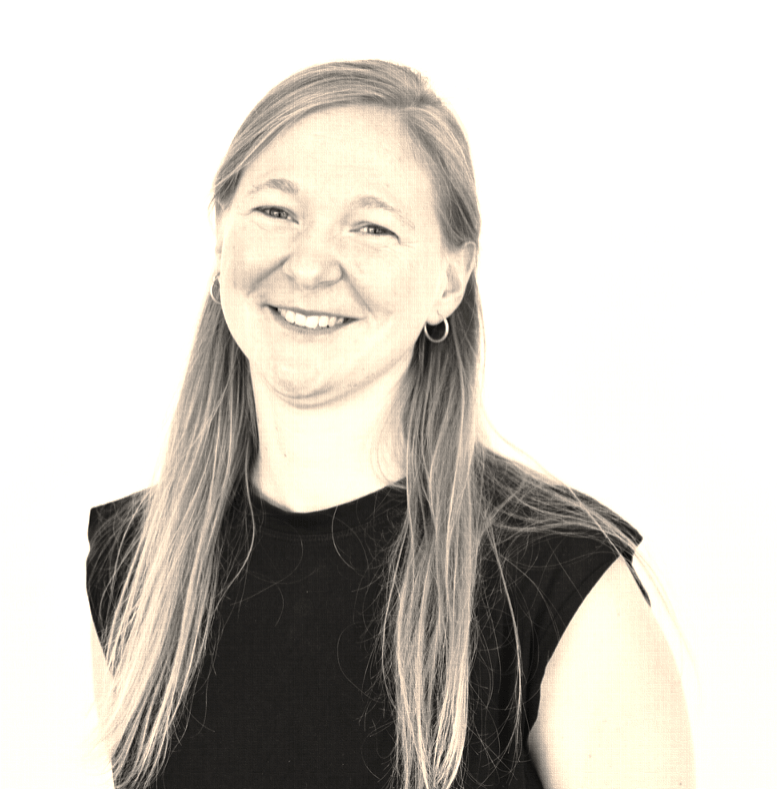
Lilly Bremer, CeMM PhD Rotation Student
Lilly completed a four-week lab rotation with us, during which she worked on a project titled “Multicellular Construct Magnetic Bioprinting Through Insertion Position Control”. She joined the CeMM PhD program in September 2025, where she is now investigating gastric cancer behavior and therapy response in the Busslinger Group. Prior to starting her PhD, Lilly earned her undergraduate degree in Biological Sciences from the University of Dundee and completed a Master’s in Biomedical Sciences at the University of Edinburgh.

Hanna Toth, CeMM PhD Rotation Student
Hanna completed her lab rotation project with us, which lasted one month and was titled “Induction of ECM flow through magnetic actuation”. She joined CeMM in September 2024, as a predoctoral fellow at Laura de Rooij’s lab and her PhD project aims to explore the senescence heterogeneity of the endothelium in different vascular bed subtypes. Previously she completed her MSc in Biomedical Science and BSc in Biology Studies at Lancaster University in the UK.
 Abdel Fattah Lab